Complete Guide to Phone Number Verification
Learn the essential methods and tools for effective phone number verification to enhance data accuracy, reduce fraud, and ensure compliance.
Phone number verification ensures your contact database is accurate, active, and reliable. This process helps businesses reduce fraud, improve marketing results, and stay compliant with regulations like TCPA and CCPA. Here's what you need to know:
- What it is: Verifying phone numbers to confirm they're valid, active, and formatted correctly.
- Why it matters: Avoid fines, improve outreach success, and prevent fraud.
- How it's done: Methods include OTP (One-Time Password) verification, carrier checks, and format validation.
- Best tools: Platforms like EnrichFox offer simple, cost-effective solutions at $0.03 per valid number.
- Best practices: Combine multiple methods, automate with APIs, and maintain compliance with privacy laws.
Key takeaway: Validating phone numbers saves money, protects your reputation, and improves customer engagement. Whether you're a small business or a large organization, using the right tools and strategies ensures your contact lists remain clean and effective.
Phone number verification
Phone Number Verification Methods
Businesses have several ways to verify phone numbers, and the choice often depends on their goals, budget, and security concerns. Each method brings its own strengths, ensuring accurate and reliable contact information. Let’s explore three key approaches.
OTP Verification (SMS or Voice Call)
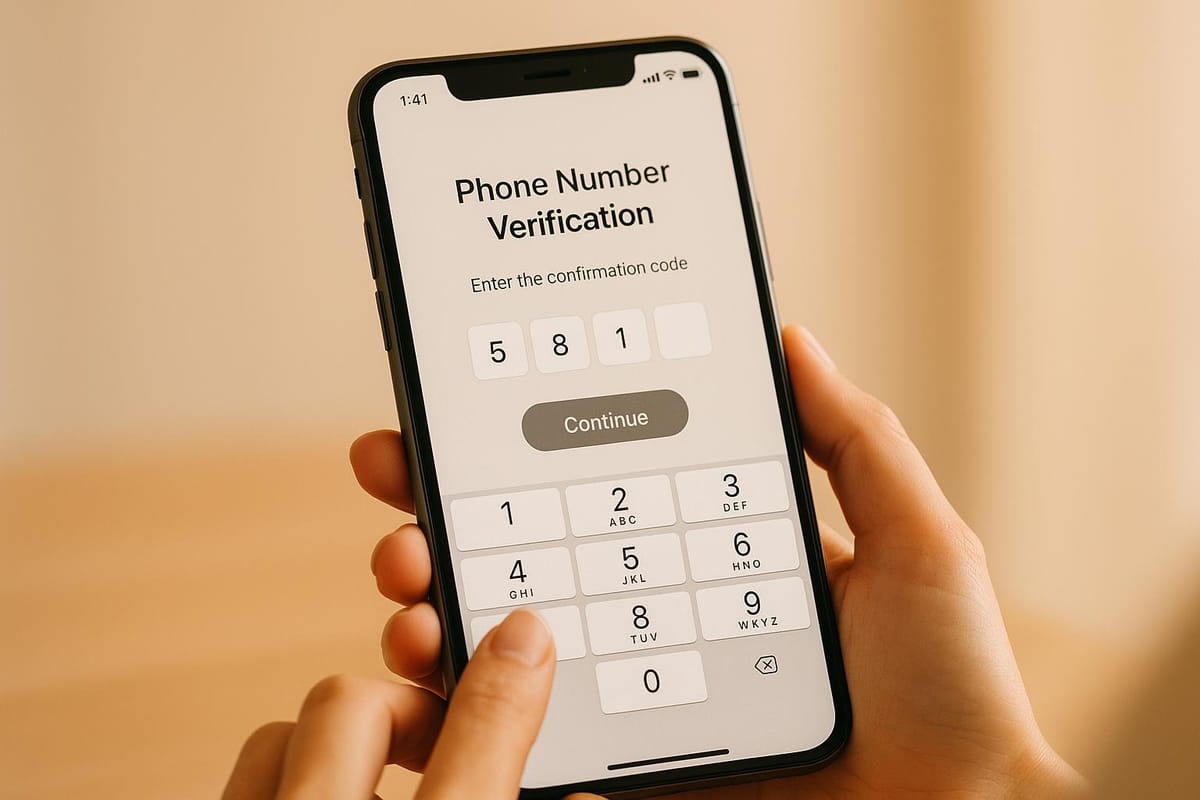
OTP (One-Time Password) verification works by sending a unique code to the user's phone via SMS or an automated voice call. The user must enter this code to confirm they have access to the device.
This method is effective for confirming direct control over the phone number and preventing fraudulent activity. However, it can add to operational costs, especially for high-volume usage or international numbers. Businesses should weigh these costs against the security benefits.
Database and Carrier Checks
This method verifies phone numbers by cross-referencing them with telecommunications databases and carrier records. It determines if a number is active, identifies the carrier network, and classifies the line type (e.g., mobile, landline, or VoIP).
Modern systems go a step further by flagging numbers linked to spam or fraudulent activities, helping businesses refine their contact lists. Carrier lookup services can also provide extra details, such as geographic location or porting history, and even indicate if a number has been recently disconnected.
For example, services like EnrichFox offer bulk phone number validation for as little as $0.03 per valid number, making it an affordable option for large-scale projects. While database checks are great for quickly validating large datasets, combining them with real-time methods like OTP verification ensures greater accuracy.
Format Validation
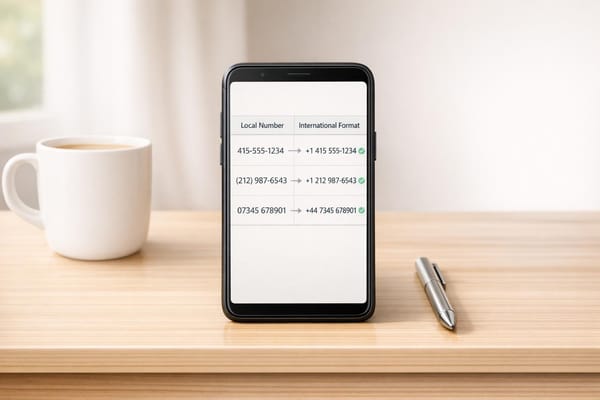
Format validation ensures that phone numbers follow established standards and include the correct number of digits for their country. This simple yet crucial step catches common mistakes, such as missing digits, invalid area codes, or incorrect international prefixes.
For instance, the E.164 standard requires numbers to include a country code, area code, and subscriber number, with a maximum of 15 digits. A properly formatted U.S. number in E.164 would appear as +1234567890, where +1 is the country code.
In the U.S., validation also checks for a standard 10-digit format (excluding the +1) and ensures valid area and exchange codes. It flags invalid entries, like area codes starting with 0 or 1, which are not used in the U.S. Additionally, format validation removes unnecessary characters, standardizing the numbers for consistency.
While this method doesn’t confirm if a number is active, it’s an essential first step to catch data entry errors. When paired with OTP verification and carrier checks, it becomes part of a strong, multi-layered verification process.
Phone Number Verification Tools Comparison
Choosing the right phone verification tool can significantly improve data quality. With various platforms available - ranging from simple format checkers to more advanced validation systems - US businesses managing high volumes of phone data need to weigh features, pricing, and integration options carefully. Here's a closer look at how EnrichFox compares with its competitors in terms of pricing and features.
Features and Pricing Comparison
EnrichFox sets itself apart with a straightforward pay-per-use model, charging $0.03 per valid phone number. This transparent, usage-based pricing eliminates the need for long-term contracts, making it an appealing option for businesses focused solely on phone number validation.
Many competitors, on the other hand, bundle phone verification into larger sales intelligence platforms. These tools often include additional features like email finding and lead scoring, operating on subscription or credit-based models. While these may suit organizations needing a broad range of data solutions, they can be overkill - and more expensive - for businesses prioritizing phone validation. Enterprise-grade platforms may also offer advanced features and compliance tools, but these often come with higher costs and added complexity.
EnrichFox also excels in bulk validation. Its API can handle large datasets with 99% accuracy, presenting a strong alternative to more complex enterprise-level solutions.
Tool Strengths and Weaknesses
When evaluating tools, integration and accuracy are key factors. EnrichFox simplifies integration with API and webhook support, as well as CSV export capabilities for easy CRM compatibility. In contrast, some competitors offer additional features like workflow automation and broader data enrichment, which may be useful for businesses seeking an all-in-one solution. However, these extras can increase complexity and costs if phone verification is the primary goal.
Accuracy is another critical factor, especially in the US market, where challenges like mobile number porting and VoIP services complicate validation. EnrichFox addresses this with carrier lookup functionality, helping to identify line types and flag recently disconnected numbers. This reduces the risk of wasted outreach efforts. Additionally, EnrichFox's real-time API ensures fast responses, whereas some enterprise platforms may take longer due to more extensive data processing.
For organizations handling sensitive data, cost predictability and compliance features are vital. EnrichFox's per-number pricing structure avoids hidden fees and surprises, unlike subscription-based models that often require annual commitments or have variable costs. These distinctions make EnrichFox a practical choice for businesses looking to verify phone numbers efficiently while maintaining seamless integration with existing systems.
Phone Number Verification Best Practices
Getting phone number verification right requires a strategy that strikes a balance between accuracy, efficiency, and staying compliant with regulations. For US businesses, challenges like number portability and varying carrier networks make adopting reliable practices a must.
Using Multiple Verification Methods
A strong verification process involves layering different methods to ensure accurate phone data. Instead of sticking to just one approach, combine several techniques like format validation, carrier lookup, and real-time checks to catch errors from multiple angles.
Start with format validation to ensure the number follows proper conventions. Then, use carrier lookup to determine the line type - whether it’s a mobile, landline, or VoIP number - and confirm it’s active on the network.
For critical moments, like account creation or transactions, add OTP (One-Time Password) verification. This step ensures not only that the number exists but also that the person providing it can actually receive messages or calls. Combining these methods improves data quality significantly.
Geographic validation is another useful step, especially for US businesses. By matching phone numbers with ZIP codes or state information, you can spot inconsistencies. For example, if a number with a California area code is paired with a New York address, it could signal a data entry error or even fraud.
These layers of verification naturally set the stage for automation, which we’ll explore in the next section about API integration.
API Integration for Automation
API integration takes phone validation from a manual, time-consuming task to an automated, streamlined process. Tools like EnrichFox allow you to validate numbers in real time, and webhooks can send immediate updates to your CRM.
Batch processing is another efficient way to clean up existing databases or handle large imports. For instance, EnrichFox charges $0.03 per valid phone number, making it a cost-effective solution for bulk validation. To further enhance efficiency, implement error handling with retries and exponential backoff to manage network timeouts or rate limits.
By automating these tasks, you not only save time but also ensure compliance updates are applied promptly.
Privacy and Compliance Requirements
For US businesses, staying compliant with privacy laws is non-negotiable, especially when using phone numbers for marketing or sales. The Telephone Consumer Protection Act (TCPA) requires explicit consent before calling or texting mobile numbers. Non-compliance can lead to hefty penalties, so it’s crucial to document when and how consent was obtained.
Establish clear data retention policies to purge inactive numbers after a set period. This reduces the risk of using outdated or recycled numbers.
State laws, like California’s CCPA, add another layer of requirements. Make sure to provide simple opt-out options and honor deletion requests quickly. Your system should flag users who request data deletion to avoid accidental contact in the future.
Data security is just as important. Encrypt phone numbers both in transit and at rest, use HTTPS for all API calls, and ensure your database encryption meets industry standards. Never store numbers in plain text logs or temporary files, as this could lead to accidental exposure.
Finally, keep in mind that mobile numbers are often recycled. Consent given by a previous owner doesn’t carry over to the new user. Regular re-verification helps identify these cases and prevents unwanted contact with the wrong person.
Implementation Guide
Setting up phone number verification in your business systems takes careful planning and the right technical setup. The goal is to create a workflow that checks phone numbers effectively without slowing down operations or frustrating users.
CRM and Lead Management Integration
To integrate phone verification with your CRM, choose a method that fits your system. Popular CRMs like Salesforce, HubSpot, and Pipedrive often support webhook integrations, allowing automatic verification when new leads are added.
Enable real-time validation during data entry to instantly check the validity of phone numbers. This ensures only accurate data enters your system. Use conditional routing to direct leads appropriately - landlines can go to inside sales, while mobile numbers may be used for SMS campaigns. Configure your CRM to flag invalid numbers with clear indicators, so your team knows which contacts need follow-up or correction.
For existing data, set up automated workflows to clean your database regularly. Schedule bulk verification runs during off-peak hours to avoid system performance issues. Many CRMs allow for custom fields to track verification status, last verification date, and confidence scores, making it easier to monitor data quality.
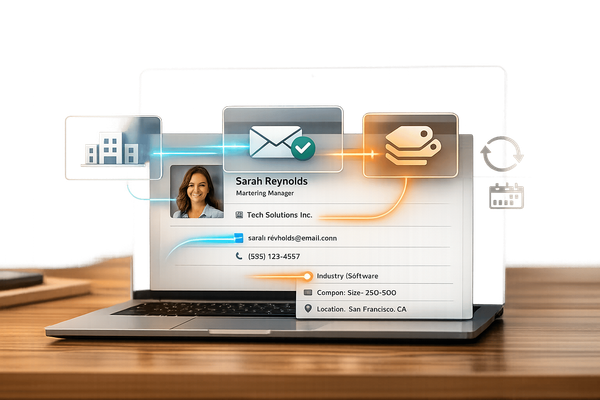
Accurate field mapping is critical. Map verification details like status, line type, carrier, and geographic data to the appropriate CRM fields. This enriched information helps your sales team prioritize leads and tailor their communication strategies.
You can also use conditional logic based on verification results. For example, invalid numbers can be moved to a separate list for manual review or removal. Streamline bulk validation workflows to make processing faster and more efficient.
Bulk Validation and Data Processing
For large-scale validation, a structured approach is essential. CSV processing is one of the most practical methods for handling bulk data. Many tools support batch validation through CSV files, making it easier to manage thousands of records.
Start by cleaning your data. Remove unnecessary spaces, standardize country codes, and separate extension numbers. This step minimizes unnecessary API calls and improves accuracy. Export your phone numbers in a simple CSV format with clear headers like "phone_number", "contact_id", and "source."
When processing in batches, break large files into smaller chunks. Most APIs have rate limits, so working with groups of 1,000 to 5,000 numbers at a time can prevent timeouts and improve error handling. Schedule these batches during low-traffic periods to avoid disrupting other business operations.
Track metrics as you process data. Monitor validation success rates, error types, and processing time for each batch. If you notice high error rates, it could point to data quality issues that need to be addressed before the next round of validation. Keep detailed logs of processed numbers, timestamps, and results for better tracking.
Robust error handling is key to maintaining data quality. Use retry logic for network timeouts and separate error queues for different issues. For instance, numbers with formatting problems might need manual review, while temporary API errors can be retried automatically. This approach reduces data loss and avoids wasting API calls.
Tracking and Improving Verification Results
To maintain high data accuracy, measure and analyze your verification performance regularly. Success rate tracking should be a core metric, helping you ensure quality across your data sources.
Use dashboard monitoring to keep an eye on key performance indicators like daily validation volumes, success rates by data source, and error trends. By analyzing these patterns, you can identify which lead sources provide better-quality phone numbers and adjust your lead-scoring and follow-up strategies accordingly.
Calculate the cost per validated number to understand the financial efficiency of your tools and processes. Knowing the cost of successful validations can guide decisions about which tools or data sources are worth investing in.
Incorporate feedback from your sales team to refine your validation criteria. If they report that numbers flagged as valid often don’t connect, you may need to tighten your validation rules. On the other hand, if flagged numbers are connecting successfully, it might be worth relaxing some criteria.
Regular audit cycles are essential for maintaining data quality. Phone numbers can become invalid due to carrier changes, number porting, or account cancellations. Schedule periodic re-verification of key contacts and plan an annual cleanup of your entire database to prevent data from degrading over time.
Finally, establish performance benchmarks tailored to your industry and use case. Different data sources vary in accuracy, so setting baseline metrics and working to improve them through better data sources, refined validation processes, and consistent maintenance is crucial for long-term success.
Key Takeaways
Phone number verification plays a crucial role in boosting lead quality and cutting down on fraud, especially in US markets.
How you approach verification depends heavily on your business size and risk level. For smaller businesses with fewer contacts, simple methods like format validation and occasional OTP (one-time password) verification might do the job. Larger companies handling a higher volume of leads, however, often need more advanced solutions, such as database checks, carrier validation, and real-time API integrations.
Using a combination of methods typically yields the best results. Format validation helps catch basic errors, like missing digits or invalid country codes. Database and carrier checks go further, flagging disconnected numbers and confirming line types. To strike a balance between user experience and security, reserve OTP verification for high-value interactions where confidence is key.
Maintaining clean phone data has multiple benefits: it saves time, reduces costs, and protects your sender reputation. A thorough verification process also improves contact rates and lead conversion.
Staying compliant with regulations like TCPA and GDPR is non-negotiable. This means securing documented consent and regularly re-verifying numbers. Phone numbers often change due to carrier switches, porting, or cancellations, so periodic database cleanups are essential for keeping your records accurate.
The best results come from combining the right tools with disciplined processes. Look for verification tools that integrate seamlessly with your CRM and marketing platforms, and make sure your team knows how to act on verification insights. Start with basic methods like format validation and database checks, then layer in more advanced techniques as your needs grow. This phased approach helps you measure ROI while building internal expertise.
FAQs
What are the advantages of using multiple phone number verification methods together?
Using a mix of phone number verification methods can strengthen security, boost accuracy, and cut down expenses. By blending different techniques, businesses can create a customized approach that fits their unique requirements, providing a smooth experience for users while keeping fraud at bay.
This approach also helps companies handle various situations, like verifying leads instantly or securely managing sensitive information, leading to greater efficiency and building trust with their audience.
How can businesses stay compliant with privacy laws like TCPA and CCPA when verifying phone numbers?
To comply with TCPA regulations, businesses need to secure prior express written consent before making autodialed or prerecorded calls to mobile phones. It's equally important to include a clear and simple opt-out option for individuals who decide they no longer wish to receive communications.
For CCPA compliance, businesses must be transparent about how they collect and use consumer data. This includes giving users the ability to access, delete, or opt out of the sharing of their personal information, ensuring they maintain control over their data.
By adhering to these practices, businesses can responsibly verify phone numbers while respecting user privacy and staying within legal boundaries.
What should businesses look for when selecting a phone number verification tool?
When choosing a phone number verification tool, the first step is to pinpoint your business needs. Think about how many numbers you need to validate and whether real-time verification is a must for your operations. Pay close attention to accuracy and regional coverage - make sure the tool can handle validations in all the areas your business operates.
Next, assess how well the tool integrates with your current systems, such as CRMs or marketing platforms. It’s also important to weigh the costs against your budget and the potential return on investment. Security should be a top priority too. Look for tools that adhere to strict data protection standards to safeguard customer information. Lastly, opt for a solution that ensures a seamless experience, not just for your team but also for your customers.